- News
- Facility Management in Luxembourg: How Can You Simplify the Maintenance of Your Buildings?
Facility Management in Luxembourg: How Can You Simplify the Maintenance of Your Buildings?
In Luxembourg, professional, residential and mixed-use buildings require constant attention. Minor works, cleaning, concierge services, coordination of service providers, follow-up on interventions, preparation for refurbishment… each task may seem straightforward when considered on its own.
Yet, in day-to-day operations, one question often arises: how can you maintain a smooth organisation when several services need to work together?
This is precisely where Facility Management comes into its own. Not as an additional layer of complexity, but as a clearer, more coordinated and more human way to manage all the needs of a building.
How can you ensure continuity of service without multiplying points of contact?
In a building, occupants’ requests are naturally varied: cleaning that needs adjusting, minor works to be scheduled, a shared area to be restored, or a complaint to be followed up.
In practice, the difficulty does not always lie in the intervention itself. It often lies in everything surrounding it: the right timing, the right person, the right information and the right follow-up.
Facility Management makes it possible to centralise these matters through a single point of contact. This approach simplifies communication, reduces information loss and provides greater clarity in the day-to-day management of the building.
For an estate agency, a property developer or an owner, this means less fragmentation and a smoother organisation of services.
How can service providers be better coordinated on a daily basis?
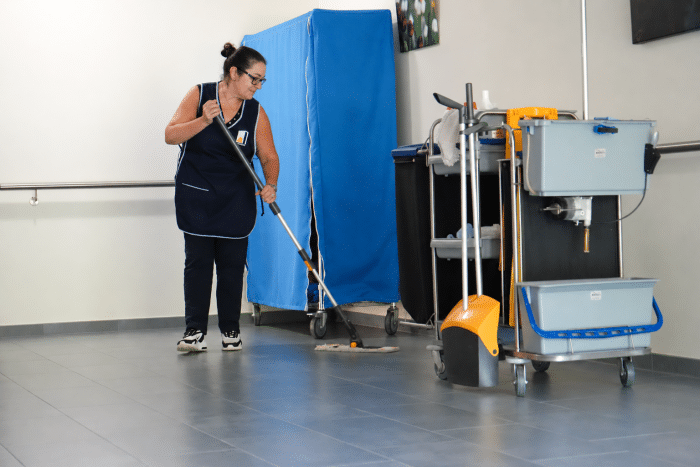
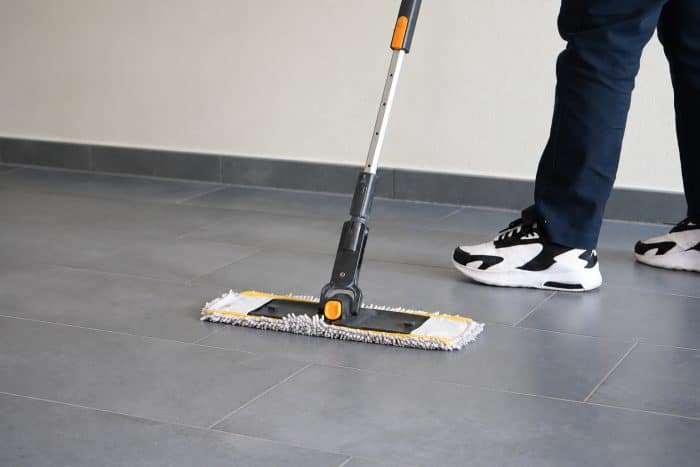
A building rarely relies on a single provider. Minor works, interior and exterior cleaning, maintenance of outdoor areas, waste management, concierge services: each service plays an important role.
The perceived quality of a building then depends on the ability to make these services work together effectively.
Minor works may, for example, require cleaning afterwards. A refurbishment may need to be planned between two occupations. A completed construction site may require careful preparation before handover. Every detail matters, especially when deadlines are tight.
With structured coordination, interventions are no longer treated as isolated actions. They become part of a more coherent organisation, with clear priorities and regular follow-up.
This is what makes it possible to preserve service quality over time.
What are the expectations of estate agencies?
For estate agencies, operational needs are often varied. They may involve arranging a provider at short notice, preparing a property between two occupants, handling a tenant request or coordinating several minor works on the same site.
In this context, a natural question arises: how can time be saved without compromising the quality of follow-up?
A Facility Management partner provides a practical answer by taking responsibility for coordinating the services required to keep entrusted properties running smoothly.
The agency retains a clear overview, while relying on a partner capable of intervening with method, responsiveness and rigour.
The aim is not simply to have a task carried out. It is to ensure that every intervention is properly understood, well planned and correctly followed up.
What are the challenges for property developers?
For property developers, certain stages require particular precision. The end of a construction project, preparation for handover, full site cleaning or the implementation of initial services are all sensitive phases.
At this stage, the perception of the project does not depend solely on the quality of the built environment. It also depends on cleanliness, the smooth running of final interventions, coordination between stakeholders and the ability to deliver a space that is ready to use.
Facility Management then acts as operational support. It helps structure the final stages, organise the necessary services and support the transition towards the building’s operation.
This presence allows handover phases to be approached with greater peace of mind.
Why does on-site presence remain essential?
An effective organisation cannot rely solely on remote communication. Quality also comes from being present on site.
Observing the actual condition of spaces, identifying early warning signs and speaking with occupants are all essential parts of reliable support.
At Octogest, this on-site presence plays a central role, particularly through concierge services. It enables needs to be anticipated, priorities to be adjusted and a consistent level of service to be maintained.
On a daily basis, this proximity makes a real difference. It prevents decisions from being made too far removed from the reality of the building and encourages a more direct, transparent and lasting relationship.
The Octogest approach: clear, human and coordinated maintenance
Octogest supports property stakeholders, retail businesses, healthcare establishments and companies in Luxembourg with the maintenance of their buildings.
Our approach is based on a simple idea: simplifying complexity by coordinating the right services, at the right time, with the right level of expectation.
In practice, this means:
- a single point of contact to centralise requests;
- an on-site presence to monitor the reality of each site through concierge services;
- rigorous coordination of our services;
- clear follow-up on our interventions;
- a relationship built on trust, transparency and continuity.
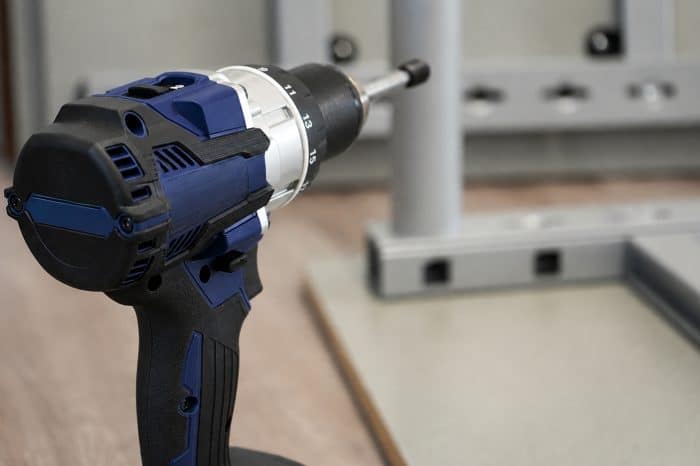
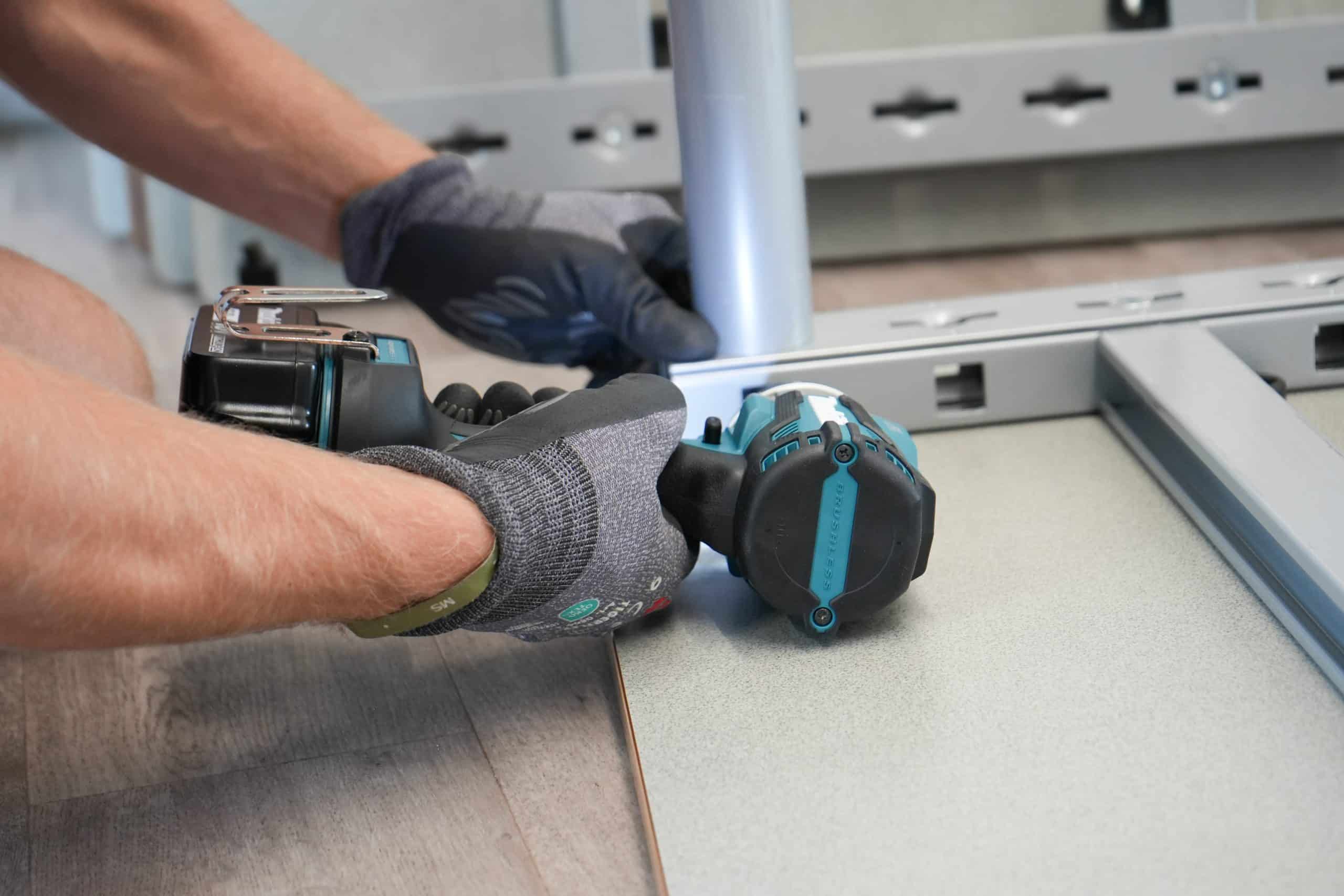
We provide support across a range of needs: minor works, professional cleaning, concierge services, refurbishments, end-of-construction cleaning, consulting, site supervision and assistance during relocations.
The objective remains the same: to enable each building to operate smoothly, while giving clients a clearer and calmer organisation.
What are the benefits for your buildings?
Structured Facility Management brings visible benefits to everyday operations.
Requests are directed more effectively. Interventions are planned more clearly and coordinated with greater precision. Occupants benefit from a more comfortable and more consistent environment.
For agencies, developers, companies and owners, this means time saved, fewer unforeseen issues and better continuity of service.
Beyond organisation, however, there is also a deeper shift: the building is no longer managed intervention by intervention.
It is this overall perspective that helps create a lasting relationship and genuine peace of mind over time.
How can you tell whether your organisation could be simplified?
Certain signs may suggest that the way a building’s maintenance is organised could be reviewed.
Are communications sometimes spread across several providers?
Do some interventions require repeated follow-ups?
Could transition, handover or re-letting periods be made smoother?
Do occupants benefit from a consistent level of service?
These questions do not necessarily indicate that something is wrong. They simply help identify where greater fluidity may be possible.
At Octogest, we approach these matters with method and pragmatism. Every building has its own constraints, uses and priorities. That is why effective support always begins with a clear understanding of the situation on the ground.
Discussing the organisation of your building maintenance in Luxembourg
Simplifying the day-to-day operation of a building does not mean changing everything. More often, it means improving coordination, clarifying roles and providing more regular follow-up.
We would be pleased to discuss your situation.